

 Opening Hours: 24/7


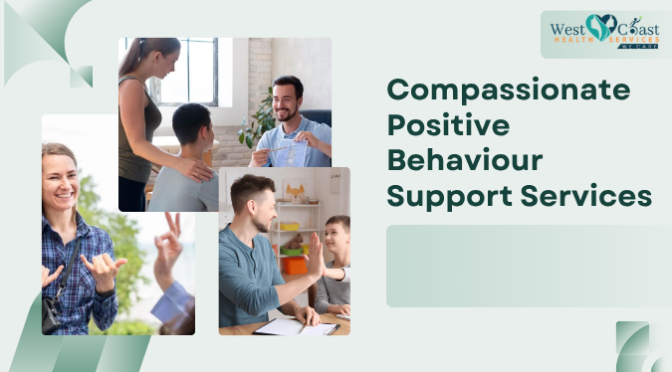
Communication is more than simply speaking. It involves expressing emotions, building relationships, understanding situations, and feeling heard during everyday interactions. When communication becomes difficult, daily routines, social participation, and emotional well-being can also feel more challenging.
That is where positive behaviour support Perth can make a meaningful difference. Through compassionate guidance, supportive environments, and practical strategies, Westcoast Health Services helps strengthen confidence, emotional regulation, social interaction, and communication skills over time.
Understanding The Connection Between Behaviour And Communication
Behaviour can often become a way of communicating when emotions, frustrations, or needs feel difficult to express clearly. Support strategies help recognise what may be causing stress, confusion, or emotional overwhelm during everyday situations.
Through positive behaviour support, communication barriers can become easier to understand while encouraging healthier ways to express emotions, reactions, and daily needs. This supportive approach focuses on emotional understanding, active listening, encouragement, and stronger communication habits over time.
Building Confidence Through Everyday Conversations
Confidence plays an important role in developing stronger communication skills. When you feel heard, respected, and supported, conversations often become more comfortable, natural, and easier to manage in everyday situations.
That is why positive behaviour support services Perth focus on creating calm and encouraging environments that help communication gradually improve. Daily conversations, positive reinforcement, and emotional guidance can strengthen listening skills, self-expression, and social confidence over time.
Encouraging Calm And Positive Interactions
Stress and emotional overwhelm can sometimes make communication feel more difficult in everyday situations. Support strategies help encourage calmer interactions by improving emotional regulation and reducing frustration during conversations and social activities.
With NDIS positive behaviour support Perth, consistent guidance and supportive routines help build healthier communication patterns at home and within the community. This approach encourages trust, understanding, social engagement, and more positive everyday interactions over time.
Strengthening Social Skills In Everyday Life
Good communication also involves social awareness, relationship building, and feeling more comfortable in different social situations. Positive support strategies help strengthen interaction skills during everyday activities, conversations, and community participation.
That is why NDIS behaviour support Perth continues helping families improve communication, emotional understanding, and social confidence through compassionate guidance and structured support. Social interaction often feels easier when communication becomes calmer, more supportive, and less stressful.
Creating Better Emotional Understanding
Communication challenges are often closely connected to emotional regulation. Feeling overwhelmed, frustrated, or misunderstood can affect reactions, confidence, and the ability to communicate comfortably in social situations.
Through the NDIS behaviour support service Perth, emotional understanding becomes an important part of communication development. Support strategies encourage recognising emotions, expressing feelings calmly, and building healthier conversations, stronger relationships, and improved emotional wellbeing over time.
Supporting Families Through Positive Communication
Communication improvements rarely happen alone. Families, carers, and support networks all play an important role in encouraging positive interaction, emotional understanding, and healthier everyday communication habits.
That is why positive behaviour support services often focus on practical communication strategies that support daily routines at home and within the community. Patience, active listening, emotional support, and consistent guidance can help conversations feel calmer, more positive, and less overwhelming.
Helping Build Independence And Daily Confidence
Strong communication skills can support greater independence in everyday life. Feeling confident in expressing emotions, needs, and preferences often improves decision-making, social interaction, and participation in daily activities.
With NDIS positive behaviour support, communication development is encouraged through supportive routines, positive reinforcement, and meaningful everyday interaction. This approach helps strengthen confidence in social environments while encouraging more comfortable and positive communication overall.
Encouraging Long-Term Positive Outcomes
Positive communication development takes time, consistency, and supportive guidance. Even small improvements in emotional expression and everyday interaction can create meaningful long-term changes in daily life and social confidence.
That is why NDIS behaviour support focuses on respectful and compassionate strategies that encourage healthier communication habits and emotional wellbeing. With positive encouragement and supportive environments, communication can gradually feel more natural, comfortable, and rewarding over time.
Why Supportive Environments Matter So Much?
The environment around you can strongly influence communication and emotional well-being. Calm spaces, supportive guidance, and understanding conversations often encourage stronger interaction skills and more positive everyday communication naturally.
Supportive environments help communication development feel safe, respectful, and encouraging during daily life. Through emotional understanding, structured guidance, behavioural support, and social skill development, communication confidence can continue improving over time.
Final Remarks
Strong communication skills can improve relationships, emotional well-being, social confidence, and everyday experiences. Positive support strategies help create healthier ways to express emotions, build understanding, and strengthen meaningful interaction in daily life.
That is why positive behaviour support Perth continues to become an important part of emotional growth and communication development for many families across Australia. Through compassionate guidance and practical strategies, Westcoast Health Services supports stronger communication, emotional understanding, and more positive everyday interactions.
Start Your Support Journey
Looking for supportive guidance to improve communication, emotional well-being, and daily interaction skills? Get in touch today for compassionate assistance and service information. Call 0436 113 763 or email info@westcoasthealthservices.com.au to learn more about supportive care and practical behaviour support strategies.
Frequently Asked Questions
Q. What Is Positive Behaviour Support?
Positive behaviour support focuses on improving emotional well-being, communication, social interaction, and behaviour through supportive and respectful strategies.
Q. How Does Positive Behaviour Support Improve Communication?
Support strategies encourage emotional understanding, confidence, active listening, and calmer interactions to help strengthen everyday communication skills naturally.
Q. Who Can Benefit From Positive Behaviour Support Services?
Children, adults, families, and carers experiencing communication, emotional regulation, or behavioural challenges may benefit from supportive guidance and practical strategies.
Q. What Is Included In NDIS Behaviour Support?
NDIS behaviour support service may include behavioural assessments, emotional support strategies, communication guidance, and skill-building for daily life.
Q. How Long Does Positive Behaviour Support Take?
Communication and behavioural improvements vary depending on daily routines, support consistency, emotional needs, and individual communication goals.
Q. Why Is Emotional Regulation Important For Communication?
Emotional regulation helps reduce frustration, improve understanding, strengthen social interaction, and encourage calmer communication during everyday situations.
Q. Can Positive Behaviour Support Help Social Participation?
Yes, supportive communication strategies often improve confidence, relationship building, emotional understanding, and participation in community and social activities.

